13%
of workplace injuries are attributable to sleep problems.
Meta-analysis of 268,000+ workers, Sleep Medicine Reviews.
BeSight builds continuous fatigue risk monitoring into the certified safety eyewear your teams already wear. Each worker gets a personal risk index and private alerts. Supervisors get a clear escalation path. Your program gets objective, audit-ready records.
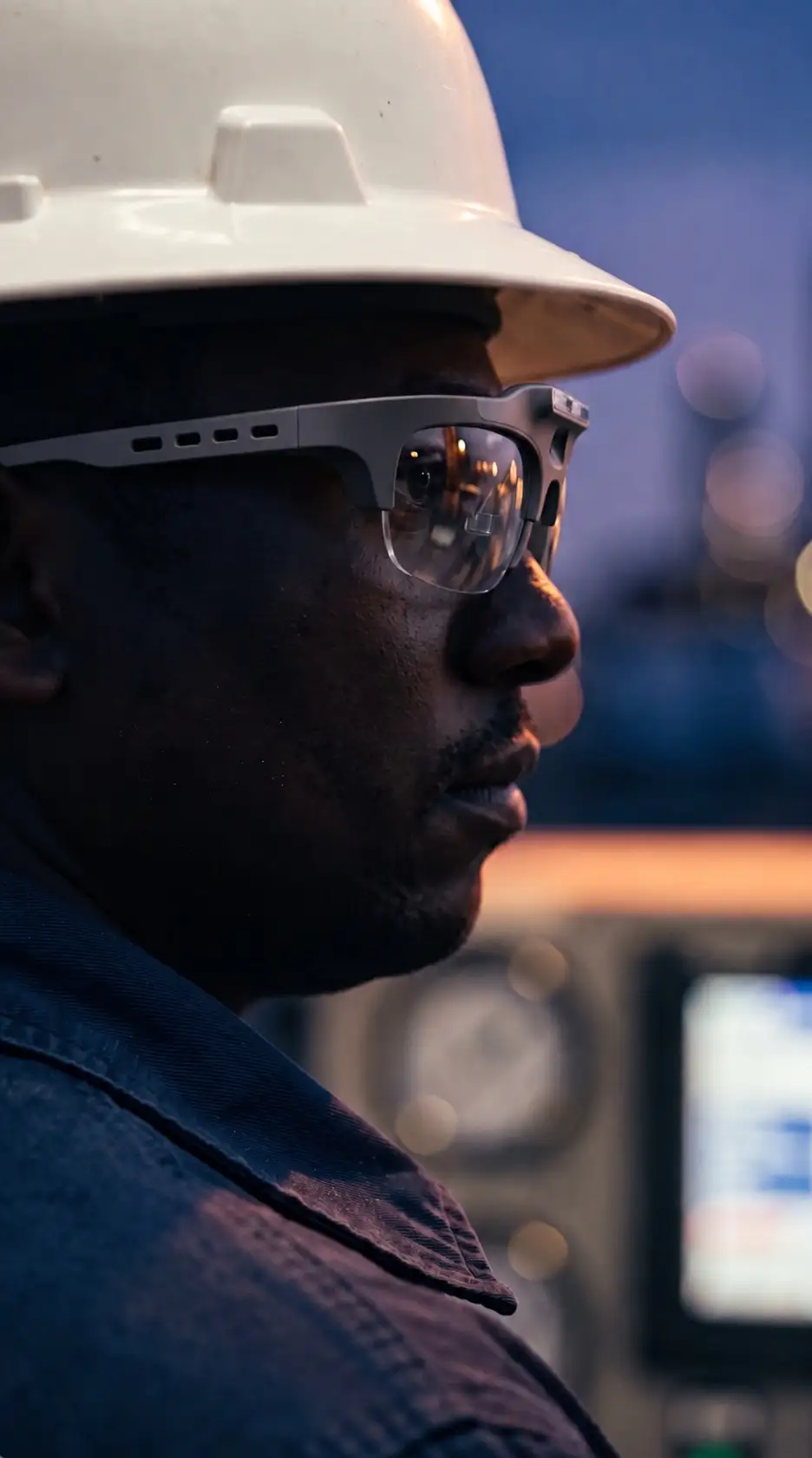
Shift overview · Crew B · Night
The problem
Refineries cap hours, rotate crews, and file fatigue plans. None of it measures the person doing the work at hour eleven of a night shift. That is the gap regulators keep finding after incidents, and the gap BeSight closes.
13%
of workplace injuries are attributable to sleep problems.
Meta-analysis of 268,000+ workers, Sleep Medicine Reviews.
$1.54M
average employer cost of a single workplace fatality.
National Safety Council.
25 hrs
worked consecutively before a 2022 California refinery incident in which investigators concluded fatigue almost certainly played a role.
County root-cause report.
Hours-of-service rules see the roster. BeSight sees the worker.
The platform
Three parts, one workflow: sense on the worker, alert the worker first, give supervisors what they need to act.
Shift overview · Crew B · Night
All processing on device · No video transmittedRisk index · Operator A-14 · 12 hr
Alert 14:32Elevated · unresolved after cue
Operator A-14 · 14:32 · outside rounds
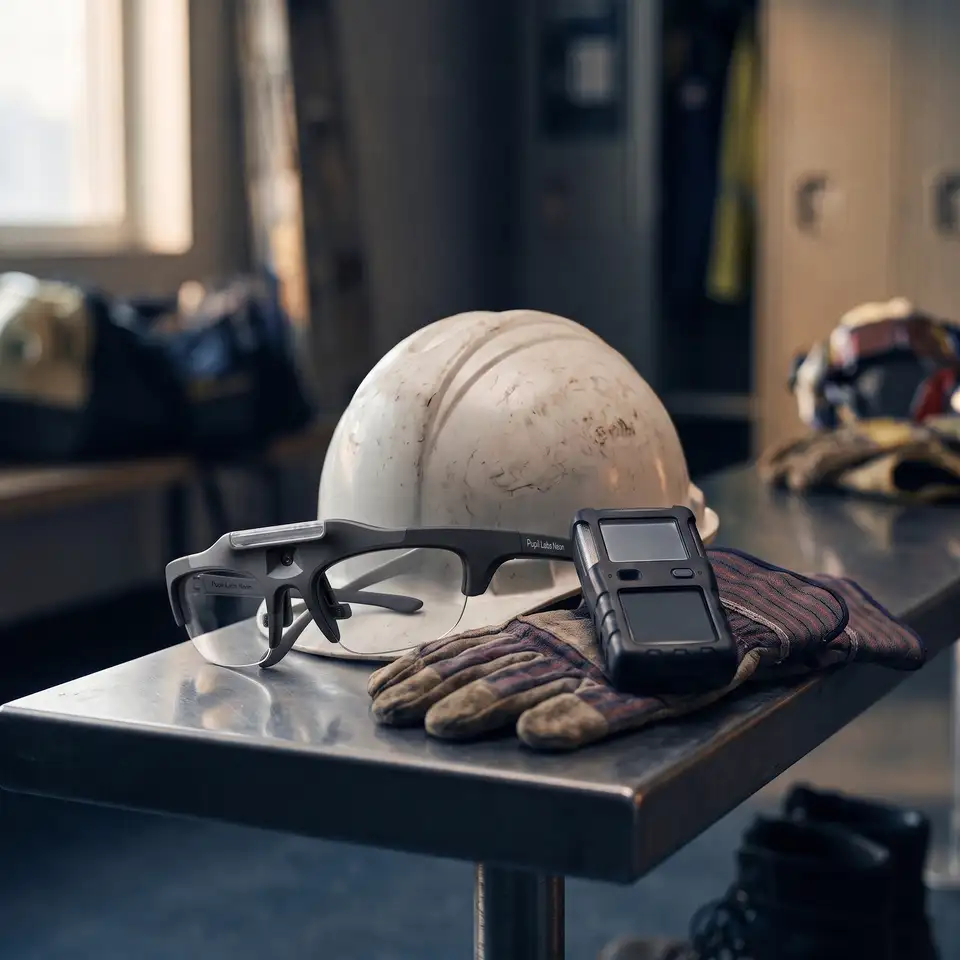
200 Hz eye-state sensing · Z87.1-rated frames · Prescription options
Pupil Labs Neon eye tracking, built into ANSI Z87.1-rated safety frames. Eye-state sensing at 200 Hz runs through the shift, with prescription-compatible options and a fit under hard hats.
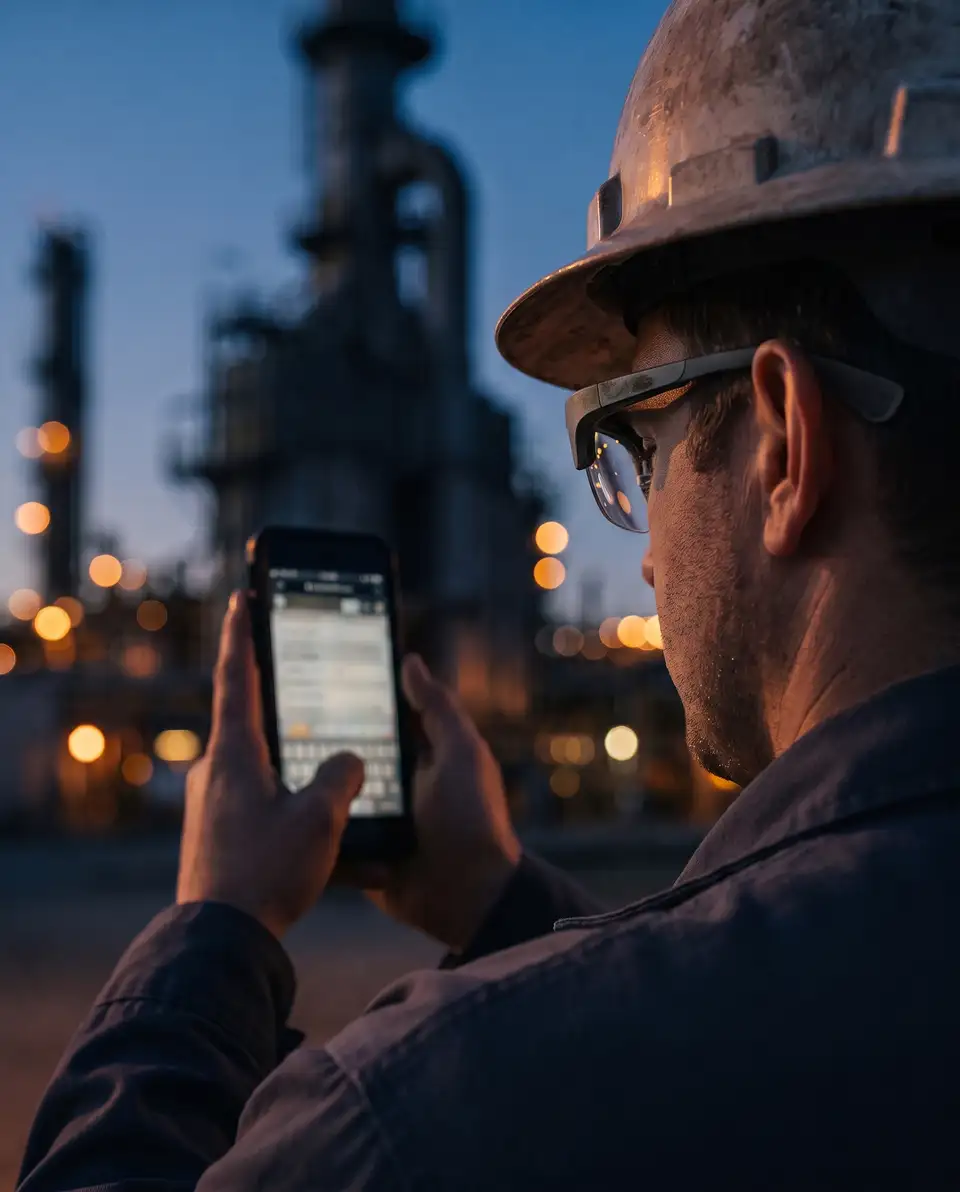
Private cues · One-tap context · Worker-owned data view
Alerts go to the worker before anyone else. A discreet cue prompts a self-check. The worker can acknowledge, add context, or log a break. People manage their own alertness first.
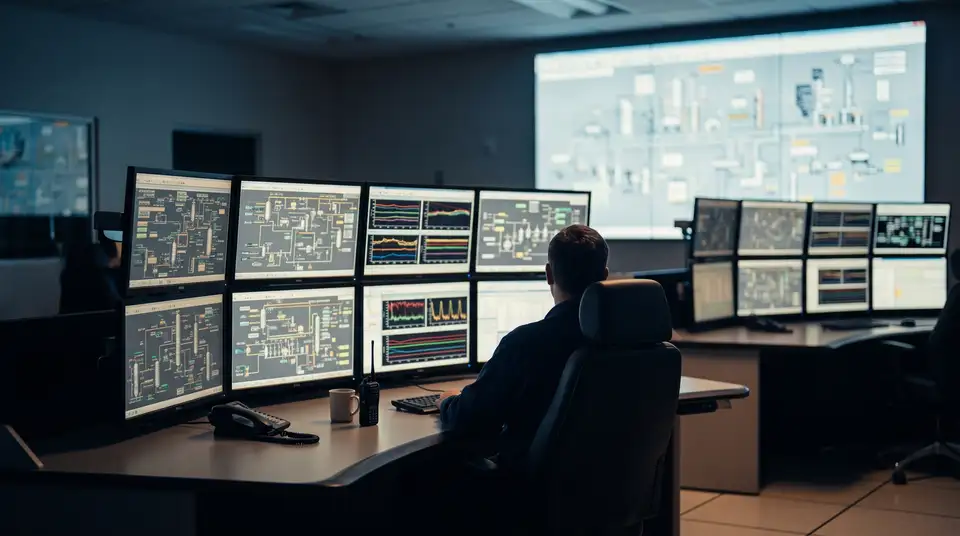
Crew overview · Escalation queue · Audit-ready reports
Live risk states across the crew, an escalation queue for unresolved events, and a time-stamped intervention log. Reports map directly to your fatigue risk management program.
How it works
Each worker is fitted once. A short baseline session captures what normal looks like for them, because normal differs from person to person.
Through the shift, eye-state signals are processed on the device against that personal baseline. When signal quality drops, the system reports low signal instead of guessing.
When risk rises, the worker gets a discreet cue first. Most events end here, with a break, a task change, or added context.
If an event stays unresolved, the supervisor receives the risk level, time, and context. Nothing more. The response is logged with a time stamp your program can stand behind.
Capabilities
Measurement, workflow, and records in one platform.
Every measure is calibrated to the individual, not a population average.
A continuously updated fatigue risk state for each worker on shift.
Private cues reach the worker before anyone else is notified.
Unresolved events route to the right supervisor with clear next steps.
Every alert, response, and outcome is time-stamped and reportable.
The system knows when conditions degrade and says so instead of guessing.
Raw eye data is processed on the worker's device, not in the cloud.
Exports built for RP 755 and human factors documentation.
What the glasses read, what BeSight's model derives, and what reaches a worker.
Level 1 · Direct raw signal capture
Illustrative · sample dataLid opening over time, the base trace for closure detection.
Onset, peak, and reopening of every blink, per eye.
Left and right pupil size. A supporting channel: lighting moves it more than fatigue, so it never stands alone.
Where the eyes point and how steadily they hold.
Head motion and ambient light are read as context to interpret the eye signals, not to track the worker.
Level 2 · Model derivation
Raw signals
PERCLOS
share of time eyes 80% closed
0.12
Eye-closure duration
average & longest closure
340ms
Blink duration
length of individual blinks
120ms
Lid velocity
closing and reopening speed
94%
Saccadic peak velocity
speed of jumps between points
88%
Fixation stability
steadiness of gaze position
96%
Level 3 · Calibration over generalization
Worker A
Day shift baseline
Worker B
Night shift baseline
Two workers, the same reading. For one it is routine, for the other it is a warning. Population thresholds mislabel both. BeSight scores change against each worker's own calibrated baseline.
Level 4 · Decision logic & worker cues
Inferred index over a standard 12-hour shift timeline
Trigger threshold
Fatigue-risk estimate: an inferred state over time, not a diagnosis. The first cue is private to the worker; unresolved risk escalates and is logged.
Level 5 · Signal quality intelligence
Tracking confidence
92% · Optimal
Data loss
0.1% · Minimal
Occlusion
None
Slippage
Stable
Fit score
Low signal · fit checkCalibration drift
0.02% · Ideal
When quality drops, the system reports low signal instead of guessing.
This is the intended operating model. Detection is built on published ocular metrics; the system that combines them is what field testing evaluates, covering changing illumination, movement and vibration, eyewear fit, prescription-lens use, partial eye occlusion, and shift duration.
Why BeSight
01
No new wearable to distribute, charge, and police. BeSight lives in the safety eyewear your sites already mandate, so coverage follows the mobile worker on foot: across the unit, up the structure, through the turnaround. Fixed cameras and in-cab systems never see those hours.
02
Population thresholds mislabel people. A pattern that is routine for one worker signals risk in another. BeSight measures change against each worker's own baseline, which is what makes the risk index worth acting on.
03
Monitoring fails when workers reject it. BeSight processes raw signals on the device, transmits only the risk state, and puts the first alert in the worker's hands. Contract terms exclude productivity scoring and discipline. That is how a fatigue program gets to yes with the workforce.
The alternatives
Most fatigue tools check the gate, the roster, or the cab. BeSight covers the worker through the whole shift.
| Capability | BeSight | Pre-shift testing | Scheduling software | In-cab camera systems | EEG headwear |
|---|---|---|---|---|---|
| Measures the individual worker | Yes | Partial | No | Partial | Yes |
| Continuous through the shift | Yes | No | No | Partial | Yes |
| Covers workers on foot | Yes | No | No | No | Yes |
| Uses PPE already required | Yes | No | No | No | No |
| Personal baseline calibration | Yes | No | No | No | Partial |
| Private worker-first alerts | Yes | No | No | Partial | Partial |
| Audit-ready intervention records | Yes | Partial | Partial | Partial | Partial |
Who it's for
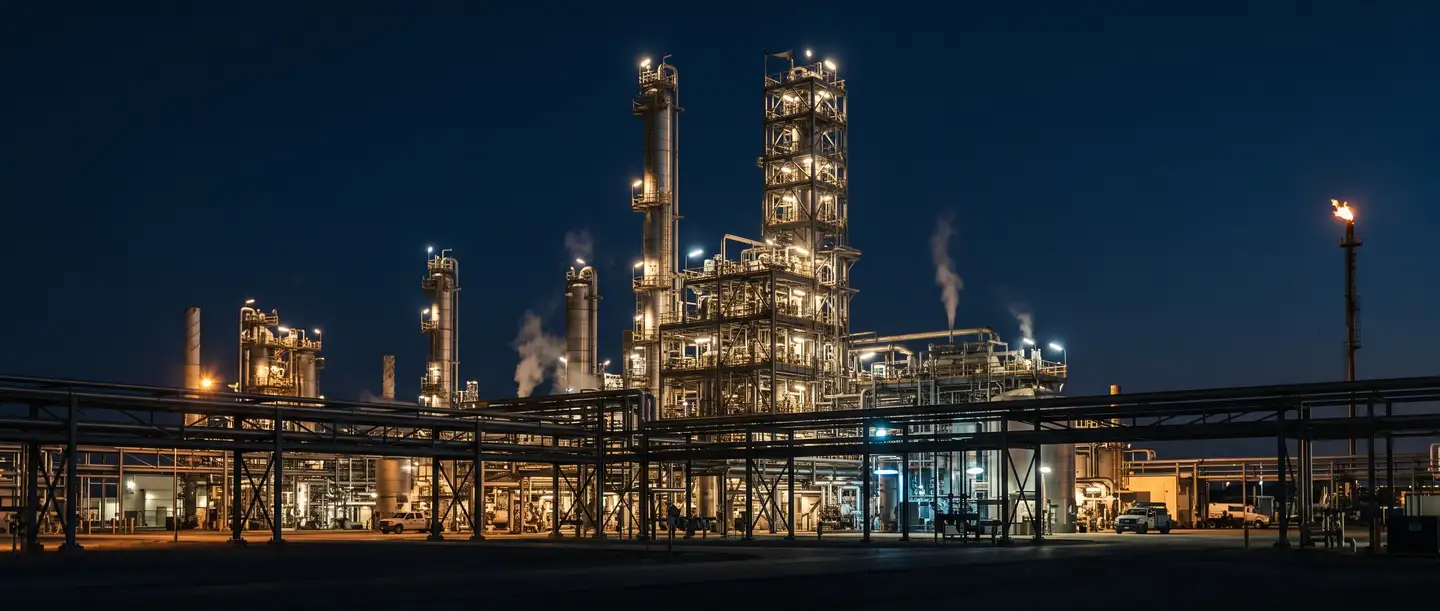
Initial deployments focus on refining and petrochemicals, where twelve-hour rotations, night work, and turnarounds concentrate fatigue risk.
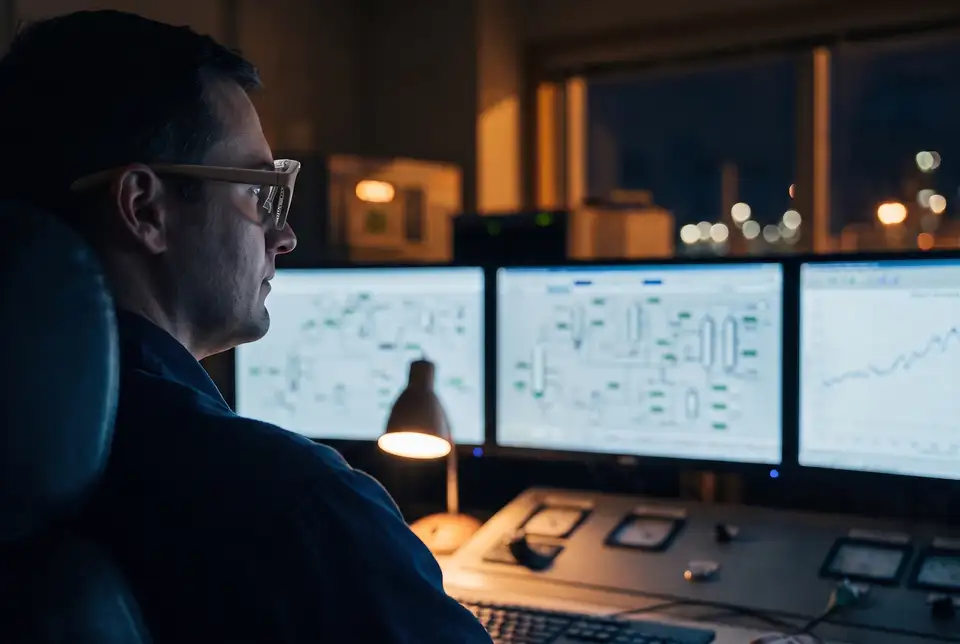
Continuous responsibility for unit stability through low-stimulus nights, where vigilance decays fastest and the cost of a missed deviation is highest.
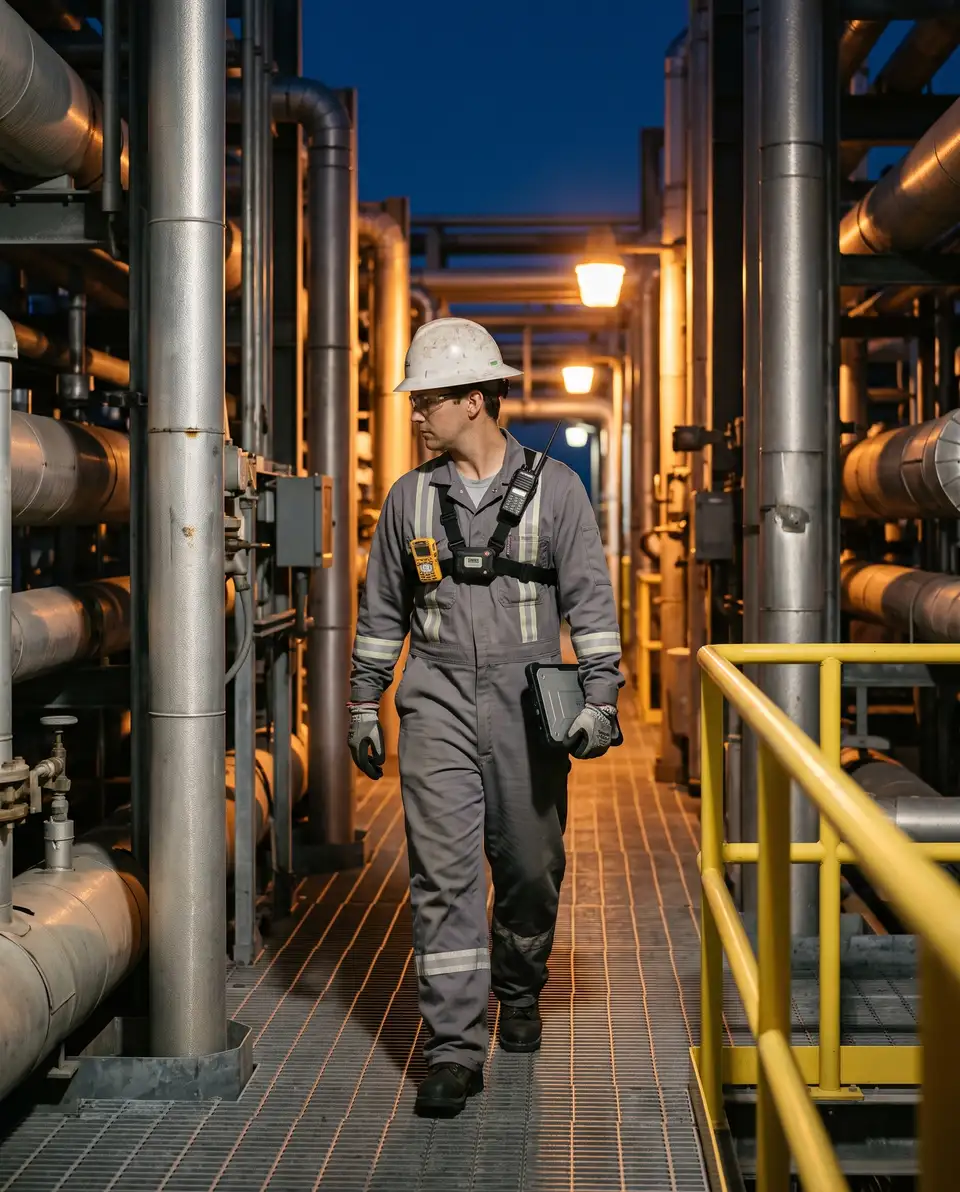
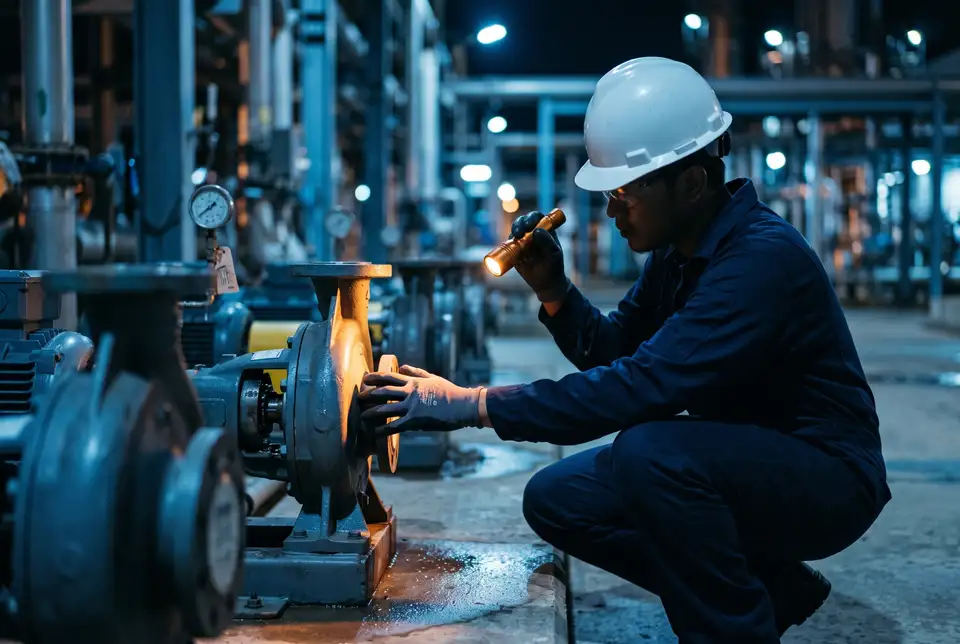
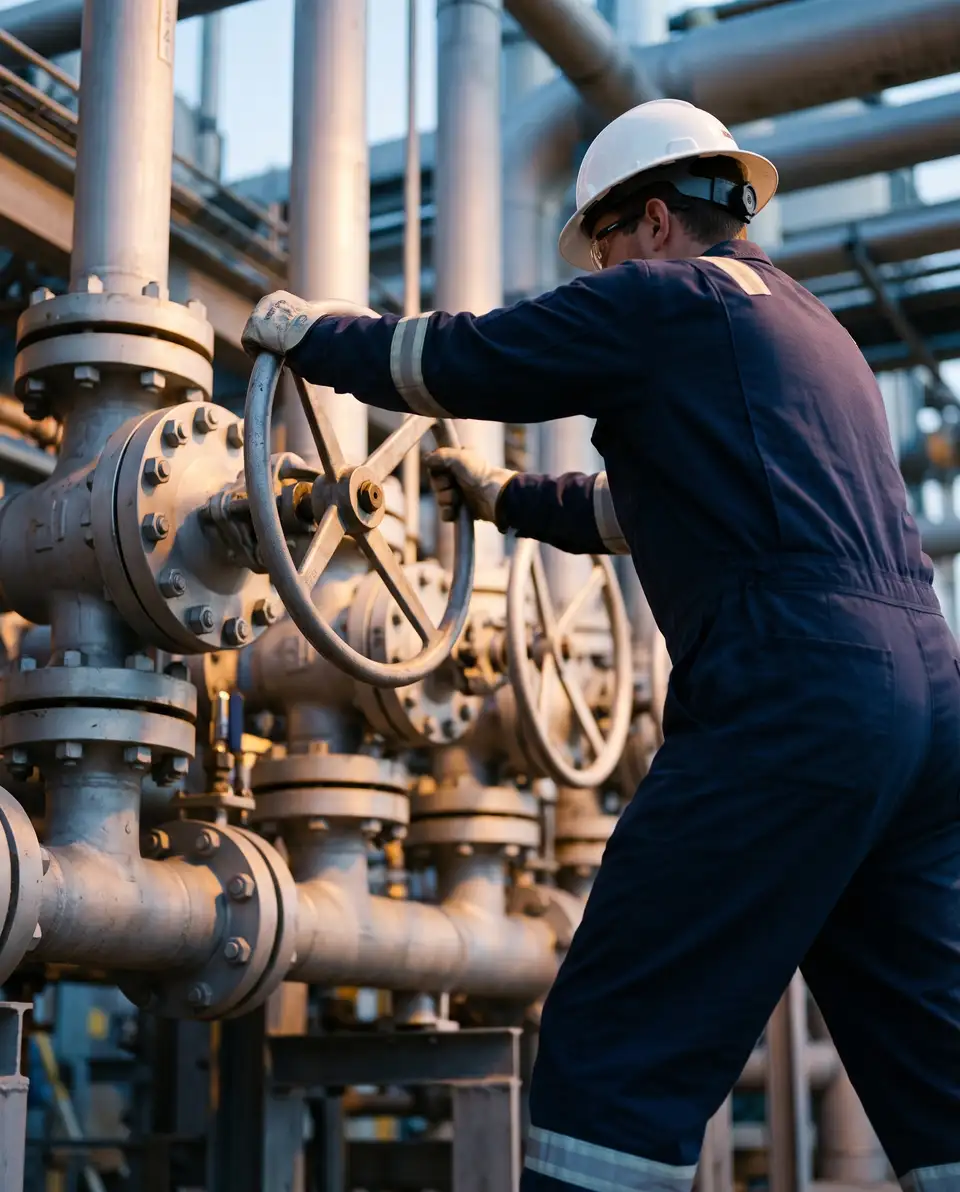
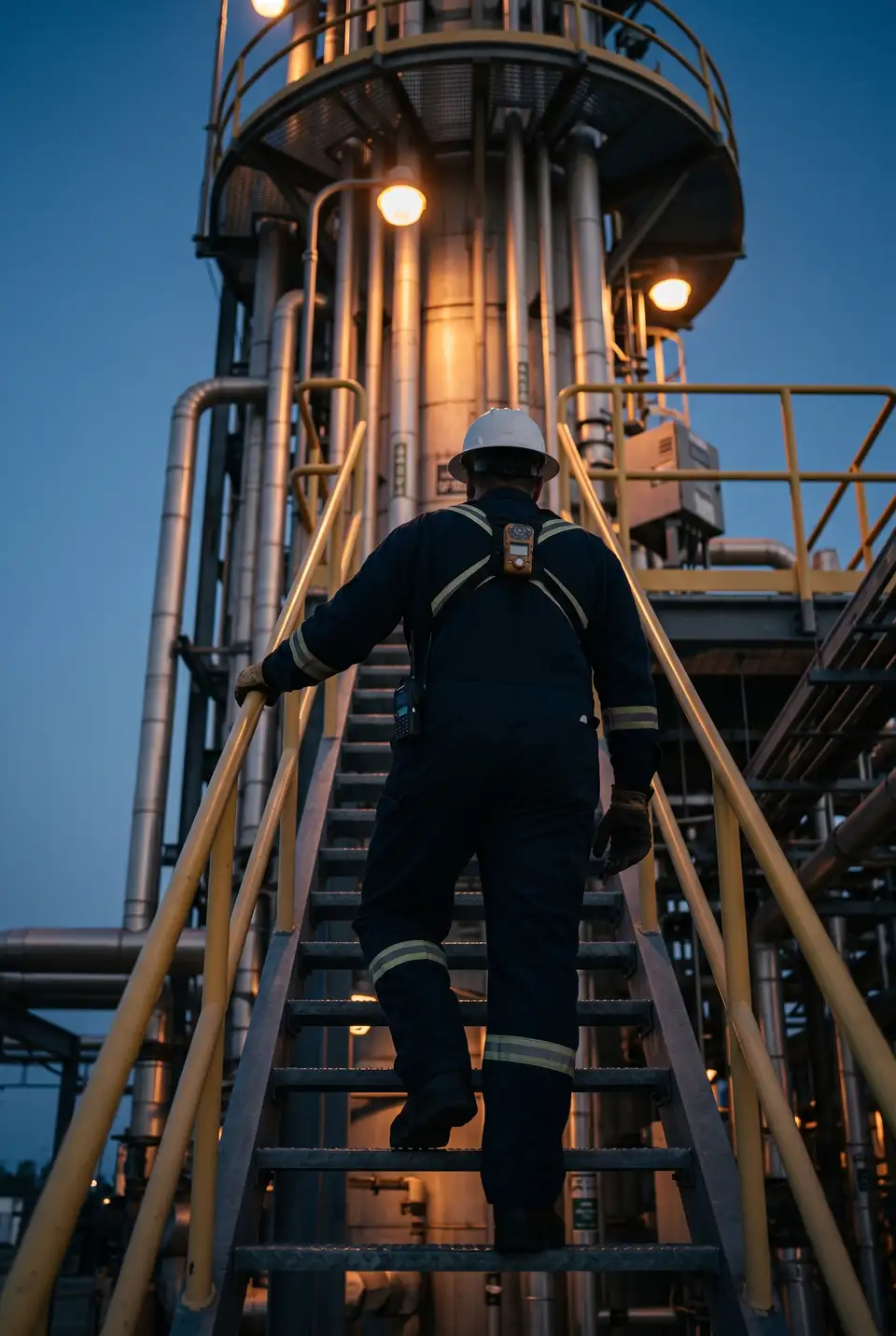
Full shifts on foot: rounds, readings, line-ups, and climbs through changing light and weather, with no fixed system watching over them.
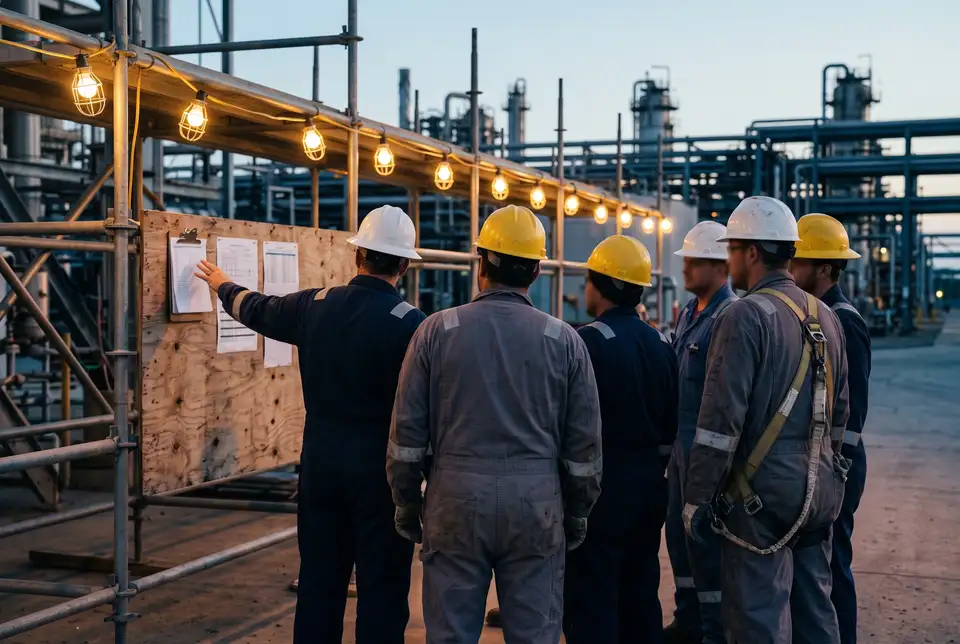
Months of maintenance compressed into weeks of extended schedules and sustained overtime, with a workforce several times its normal size.
Built for HSE directors, process safety and human factors leads, and operations and turnaround managers.
Compliance
The sector's fatigue standard calls for objective, validated tools for assessing fatigue. BeSight delivers individual, during-shift measurement of exactly that kind.
California requires refineries to address fatigue in a written human factors program. BeSight gives that program objective data instead of self-reports.
The county adds its own human factors requirement and mandates root-cause analysis after major incidents. BeSight's records are built for that level of scrutiny.
Fatigue programs already exist on paper. BeSight supplies the measurement layer they have been missing.
Privacy by design
Adoption lives or dies with the workforce. BeSight's architecture is built to earn it.
On the eyewear system
Raw eye signals · eye imagery · signal processing
Risk state · event time · signal quality
Supervisor dashboard
Escalations · intervention log · reports
Never leaves the device: raw eye video · gaze recordings · biometric signal data
Never used for: productivity scoring · discipline
Get started
Two engagement paths. Both scoped, both priced up front, both ending in a clear decision.
A four-week, fixed-fee evaluation on your site, across your normal rotation.
A scoped multi-crew deployment with success criteria agreed before day one.
Founding cohort · Limited sites · Starting Q1 2027
The company
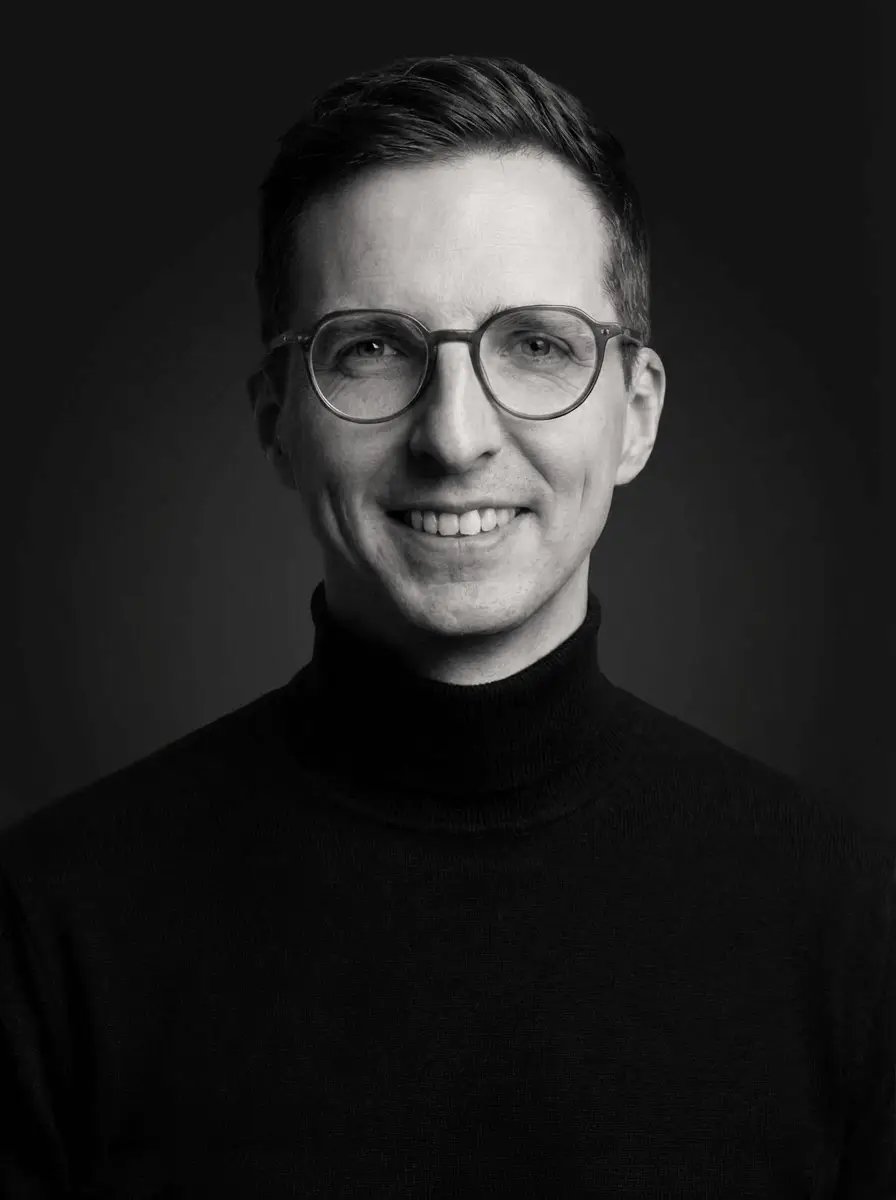
Eivinas Norusaitis
Founder & CEO
Eivinas founded BeSight and built the entire system himself: the eye-signal pipeline, per-person calibration, and the assessment protocol refineries run. It is his second deep tech company. He takes it to refinery operators directly.
Twelve years shipping regulated products before this one: design leadership on Dexcom's continuous glucose monitor, a wearable that tracks a biosignal all day, the same category BeSight lives in, and Lithuania's national tax filing system, used by 1.6 million people.
Industry experience from (not associated with BeSight)
We're hiring in measurement science and on-device engineering. Get in touch.
Questions
The sensor module is built into uvex safety goggles. Contact lenses need no adjustment. For prescription glasses, fit under the goggles is checked per person during setup. Whether the goggles may be worn in a given area, and in place of which eyewear, is decided with the site's safety organization during planning. PPE requirements stay with the site. Tasks that require a full face respirator sit outside the measurement window.
Reports and dashboards are built from derived measures: eyelid closure, blink duration, gaze stability, pupil response, and the alertness scores computed from them. Raw eye video is not part of the deliverable. How recordings are stored, who can access them, and when they are deleted is set out in a written data agreement signed before measurement starts. The product is designed to process on the device the worker carries and to output scores and events.
We only run measurements under an agreement that limits use of the data to fatigue risk and safety, and that rules out use for productivity monitoring or disciplinary decisions. The system produces no productivity metrics. It does not track tasks or output.
Yes. Each participant receives their own results. The approach rests on measuring each person against their own baseline, so the read belongs to the person it describes.
The current hardware is standard commercial electronics and carries no hazardous area rating. Where it may be used is decided by the site under its own portable electronics rules and permit process, and the assessment is planned around that. Hardware for classified areas is on the development roadmap.
An assessment runs for a defined period with a small group of volunteers. We bring the goggles. Setup typically takes a few minutes per person at the start of a shift, and after that the worker just wears them. The assessment runs without installing anything on site systems or connecting to the site network. The output is a written report.
Before measurement starts. Representatives are briefed together with the site, receive the data policy in writing, and get their questions answered directly. Participation is voluntary and any participant can withdraw at any time.
Every engagement starts with a Shift Fatigue Risk Assessment. Scope varies by site and group size, so pricing is provided in a proposal after a short scoping conversation. Continuous monitoring is priced separately, after an assessment.
Join the founding cohort. Request the assessment brief or scope a field pilot with our team.